Home » Grow Clean, Eat Clean: Why Organic Hydroponics Is Changing the Game for Food Distributors and Restaurants
Grow Clean, Eat Clean: Why Organic Hydroponics Is Changing the Game for Food Distributors and Restaurants
Whether you run a fast-paced kitchen or stock health-conscious shelves, you already know: the demand for clean, responsibly grown produce has never been higher. Diners and shoppers want transparency. They want sustainability. And they want flavor.
That’s where organic hydroponics steps in, not just as a trend, but as a real solution.
This blog breaks down what organic hydroponics is, how it works, and why more food distributors, chefs, and retailers are choosing it as their go-to source of produce. If you’re curious about sourcing food that’s better for your customers, your workflow, and the planet, read on.
Looking for a cleaner, more innovative way to source your produce?
Contact Summer Wellness Farm today to discover how our organic hydroponics farm can help you.
So… What Is Organic Hydroponics?
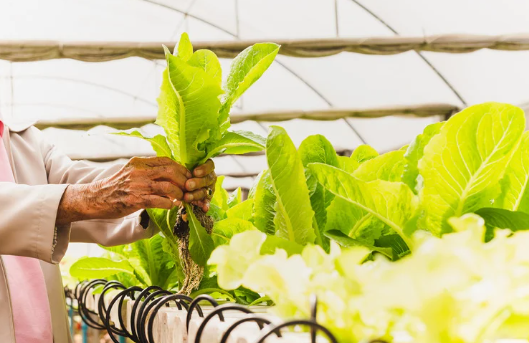
Let’s start with the basics. Hydroponics is a method of growing plants without the use of soil. Instead, the plants grow in a water-based solution that’s rich in nutrients and carefully controlled for pH, temperature, and light. This allows crops to grow efficiently, cleanly, and year-round.
Now, when we refer to organic hydroponics, we’re talking about utilizing a clean system that excludes synthetic pesticides, herbicides, and chemical fertilizers. That means:
- No harmful residues
- No soil-borne diseases
- No runoff or groundwater pollution
- A smaller environmental footprint
It’s the best of both worlds: the clean, efficient system of hydroponics combined with the natural, chemical-free values of organic farming.
Is It Organic If It’s Grown Hydroponically?
That’s a great and common question.
Technically, under current USDA regulations, hydroponic farms can’t always qualify for organic certification because they don’t use soil, which is a requirement for certification in some cases.
However, many organic hydroponics farms still follow organic principles to the letter:
- No synthetic inputs
- Closed-loop water systems
- Sustainable energy use
- Clean harvesting and packaging practices
While the label may vary, the commitment to clean, earth-friendly, and chemical-free food remains the same, if not better.
For food distributors and restaurants, this means you can offer produce that’s grown with organic integrity, even if it doesn’t carry a USDA-certified label. And you’ll have the sourcing story to back it up.
Why Organic Hydroponics Is a Win for Your Business
If you’re in the food business, your reputation depends on quality and consistency. Here’s why organic hydroponics delivers both:
Year-Round Availability
Traditional farms are at the mercy of the seasons, storms, and soil conditions. Hydroponic farms? They grow 365 days a year in a climate-controlled space. That means no gaps in supply and fewer sourcing headaches.
Extended Shelf Life
Hydroponically grown produce is harvested fresh to order. It hasn’t been sitting on trucks or changing hands through distribution centers. That freshness translates to longer shelf life, better texture, and fewer losses.
Cleaner Food, Cleaner Process
No pesticides. No chemicals. No contamination. Because hydroponic farms use filtered water and controlled environments, the produce is naturally cleaner, often requiring little to no washing. That saves time in your kitchen and reduces the risk of foodborne illness.
Consistent Quality
Every leaf of lettuce or bunch of basil comes out the same. There’s no “field variability” with hydroponics. That means your kitchen can plan more effectively, portion food more accurately, and waste less.
Better Sustainability Profile
Organic hydroponics uses up to 90% less water than traditional farming. There’s no runoff, no soil erosion, and minimal land use. If you’re looking to strengthen your sustainability commitments, this is a great place to start.
What Can Be Grown Hydroponically?
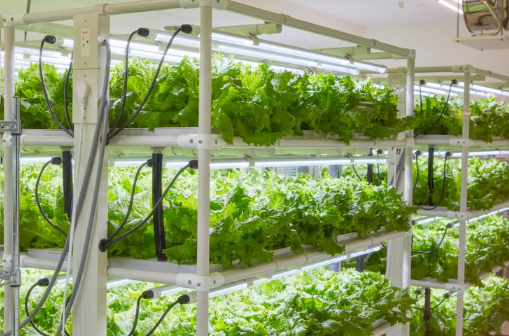
A lot more than you might think. Most leafy greens, herbs, and microgreens thrive in hydroponic systems. Here’s a sample of what you can expect from a high-quality organic hydroponics supplier:
- Butterhead, romaine, and oakleaf lettuce
- Spinach, kale, and arugula
- Basil, mint, cilantro, parsley
- Microgreens and edible flowers
- Specialty greens and custom blends
Some hydroponic farms are even expanding into fruiting crops, such as tomatoes, peppers, and cucumbers, although greens remain the staple for most foodservice applications.
Who Is Organic Hydroponics Right For?
If you’re sourcing produce for:
- Restaurants with high-volume salad bars or garnish-heavy menus
- Cafés and juice bars offering smoothies, wraps, or clean bowls
- Specialty food stores with organic or wellness-driven clientele
- Meal delivery brands that need consistency and quality at scale
- Food distributors seeking reliable, local partnerships
…then organic hydroponics is more than a smart option. It’s a strategic advantage.
You get the freshness of local produce, the transparency of sustainable growing, and the consistency your clients expect.
How to Choose the Right Organic Hydroponics Partner
Not all hydroponic farms are created equal. When choosing a supplier, look for:
- Transparent growing practices – What do they use for nutrients? Are they pesticide-free?
- Reliable ordering and delivery – Can they handle your volume and meet your timing requirements?
- Packaging options – Do they offer bulk, pre-portioned, or private label packaging?
- Flexibility – Can they grow custom blends or commit to recurring orders?
- Values alignment – Are they committed to sustainability, health, and customer success?
At Summer Wellness Farm, we grow with all of that in mind. Our focus is on helping food businesses like yours offer something fresher, cleaner, and better for both your customers and your operations.
It’s Time to Rethink Your Greens
As food culture continues to evolve, so does the expectation for cleaner, more innovative sourcing. Organic hydroponics offers a solution that’s not just modern but meaningful.
By working with a trusted hydroponic farm, you’re not just buying lettuce or basil; you’re investing in a sustainable, high-quality product. You’re offering your customers peace of mind. You’re simplifying your back-of-house work. And you’re putting better food on the table literally.
Ready to Level Up Your Produce?
Get started at Summer Wellness Farm. Because your customers expect fresh and new, you can deliver it every time!